
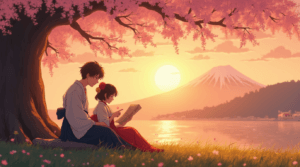
The Japanese culture is renowned for its intricate and unique artistic expressions, and among its rich tapestry of traditions, the art of love and passion holds a special place. From ancient times to the modern era, Japan has cultivated a sophisticated understanding of romantic and sensual experiences, reflected in its art, literature, and social rituals. This article delves into the depths of this captivating aspect of Japanese culture, exploring its historical roots, modern interpretations, and the enduring appeal it holds for enthusiasts worldwide. Join us on this journey to uncover the secrets and intricacies of the Japanese art of love and passion.
A Historical Perspective: The Evolution of Love and Passion in Japanese Culture
The Japanese approach to love and passion has evolved over centuries, shaped by the country's rich history, religious beliefs, and philosophical traditions. Ancient Japan, with its Shinto and Buddhist influences, viewed love as a sacred bond, often associated with nature and the spiritual realm. In these early times, romantic relationships were guided by a sense of duty and honor, with arranged marriages being the norm. Love was expressed through delicate gestures and subtle emotions, reflected in the exquisite art forms of the era, such as the elegant calligraphy and poetry of the Heian period.
As Japan entered the Edo period (1603–1868), a more open and sensual interpretation of love began to emerge. This era, marked by relative peace and prosperity, saw the rise of a vibrant urban culture, where pleasure and enjoyment were celebrated. It was during this time that the ukiyo-e (floating world) art movement flourished, capturing the hedonistic lifestyle of the time. Ukiyo-e artists like Utamaro and Sharaku created exquisite woodblock prints depicting scenes of love and desire, often featuring beautiful courtesans and their lovers.
The Meiji Restoration (1868–1912) brought about significant changes, as Japan opened its doors to Western influences. This period saw the introduction of new artistic styles and a shift towards more modern interpretations of love and passion. Japanese literature, influenced by Western romantic ideals, began to explore deeper emotional complexities. Authors like Natsume Sōseki and Mori Ōgai penned novels that delved into the psychological aspects of love, reflecting the changing social dynamics of the time.
In the post-World War II era, Japan experienced a cultural renaissance, and its artistic expression of love and passion continued to evolve. Contemporary Japanese cinema, for instance, has become renowned for its nuanced portrayal of romantic relationships, often blending elements of fantasy and reality. Directors like Akira Kurosawa and Yasujirō Ozu, and more recently, Hirokazu Kore-eda and Naomi Kawase, have crafted films that offer profound insights into the human condition, frequently exploring themes of love, loss, and redemption.
Through these historical phases, the Japanese art of love and passion has consistently maintained a delicate balance between sensuality and spirituality, between hedonistic pleasure and deeper emotional connection. This unique perspective has not only enriched Japanese culture but has also captivated audiences worldwide, offering a fresh and inspiring interpretation of romantic experiences.
history of japanese love,ancient japanese romance,japanese art evolution,ukiyo-e,meiji restoration,japanese cinema
The Sensual Art of Japanese Courtesans
In the Edo period, a unique class of women known as oiran or courtesans, played a pivotal role in shaping the Japanese art of love and passion. These women, skilled in the arts of conversation, music, poetry, and dance, were highly respected and sought after by wealthy men seeking more than just physical pleasure. The oiran represented the pinnacle of refined sensuality, offering an experience that combined intellectual stimulation with physical gratification.
The elaborate rituals and etiquette associated with the oiran experience were a testament to the sophistication of Japanese culture. Every detail, from the initial greeting to the final farewell, was carefully choreographed. The oiran would engage in deep conversations, often on philosophical or literary topics, before moving to more intimate interactions. This blend of intellectual and sensual engagement was a key aspect of the Japanese understanding of love and passion during this period.
Today, the legacy of the oiran lives on, not only in the historical records and art of the Edo period but also in modern Japanese culture. Contemporary artists and writers often draw inspiration from this era, incorporating elements of the oiran culture into their works, thus keeping the tradition alive and relevant in the modern context.
oiran,courtesans,japanese culture,sensual rituals,artistic expression
| Historical Period | Artistic Expressions |
|---|---|
| Heian Period | Calligraphy, Poetry |
| Edo Period | Ukiyo-e, Kabuki Theatre |
| Meiji Era | Literature, Western-influenced Art |
| Post-WWII | Contemporary Cinema, Anime |
The Contemporary Scene: Modern Interpretations and Global Influence

In contemporary Japan, the art of love and passion continues to thrive, reflecting the country's unique blend of traditional values and modern influences. While the landscape has evolved, the core principles of respect, refinement, and emotional depth remain integral to the Japanese understanding of romance.
Modern Japanese literature, for instance, continues to explore the complexities of human relationships, often with a blend of traditional themes and contemporary issues. Authors like Haruki Murakami and Banana Yoshimoto have gained international acclaim for their novels that weave together elements of fantasy, reality, and the supernatural, offering unique perspectives on love, loss, and personal growth. Their works, characterized by a subtle blend of humor and pathos, have attracted a global audience seeking fresh and thought-provoking interpretations of the human condition.
Japanese cinema, too, remains at the forefront of innovative storytelling, with a particular focus on exploring the nuances of human emotions. Directors like Kore-eda and Kawase, mentioned earlier, have gained worldwide recognition for their poignant films that delve into the depths of human relationships, often with a subtle, understated style that is distinctly Japanese.
In addition to literature and cinema, Japan's vibrant anime and manga industry offers another platform for exploring love and passion. These popular mediums, with their wide global reach, often present complex and multifaceted portrayals of romantic relationships, catering to a diverse audience that spans all ages and backgrounds.
Beyond the arts, the Japanese concept of love and passion also finds expression in the country's unique social rituals and customs. From the intricate rules of dating and courtship to the refined etiquette of dining and gift-giving, every aspect of Japanese social life is infused with a sense of respect, consideration, and emotional depth.
The global influence of the Japanese art of love and passion is evident in the widespread appreciation for Japanese culture, especially in the fields of art, literature, and cinema. As more people worldwide are exposed to Japanese artistic expressions, the unique Japanese perspective on love and passion continues to enrich and inspire audiences across the globe, offering a refreshing alternative to more conventional Western interpretations.
japanese literature,manga,anime,contemporary cinema,social rituals
A Deeper Look: Understanding the Japanese Concept of Love
At the heart of the Japanese art of love and passion lies a unique understanding of love itself. Unlike some Western cultures that often view love as a passionate, intense emotion, the Japanese concept of love is more nuanced and multifaceted. It encompasses a broad spectrum of emotions, from deep respect and loyalty to tender affection and sensual desire.
The Japanese term ai, often translated as "love," carries a range of meanings, including devotion, affection, and compassion. It implies a deep emotional connection that goes beyond mere physical attraction. This broader definition of love allows for a more holistic and respectful approach to relationships, valuing the emotional and spiritual aspects as much as the physical.
This nuanced understanding of love is reflected in Japanese literature, art, and cinema, where stories often explore the many facets of human relationships, from the tender bond between a parent and child to the passionate love between romantic partners. This approach, focusing on the depth and complexity of emotions, offers a unique perspective that resonates with audiences worldwide, particularly those seeking more nuanced and thoughtful portrayals of love and passion.
japanese concept of love,emotional depth,nuanced relationships,cultural perspectives
FAQ
How does Japanese culture view love and passion differently from Western cultures?
+Japanese culture views love and passion through a lens of respect, refinement, and emotional depth. Unlike some Western cultures that often emphasize passion and physical attraction, the Japanese concept of love encompasses a broader spectrum of emotions, including deep respect, loyalty, and compassion. This nuanced perspective allows for a more holistic and thoughtful approach to relationships.
<div class="faq-item">
  <div class="faq-question">
    <h3>What role do Japanese literary and cinematic works play in shaping perceptions of love and passion?</h3>
    <span class="faq-toggle">+</span>
  </div>
  <div class="faq-answer">
    <p>Japanese literary and cinematic works offer a unique perspective on love and passion, exploring the complexities of human relationships with a blend of tradition and modernity. They provide a rich tapestry of emotional narratives, from ancient tales of devotion to modern stories of personal growth and transformation. These artistic expressions not only entertain but also educate and inspire, shaping perceptions and enriching the global understanding of love and passion.</p>
  </div>
</div>

<div class="faq-item">
  <div class="faq-question">
    <h3>How has the Japanese art of love and passion influenced global audiences?</h3>
    <span class="faq-toggle">+</span>
  </div>
  <div class="faq-answer">
    <p>The Japanese art of love and passion, with its unique blend of sensuality, spirituality, and emotional depth, has captivated global audiences. Through literature, cinema, and popular culture like anime and manga, Japanese artistic expressions have offered fresh and inspiring interpretations of romantic experiences. This has not only enriched the global artistic landscape but has also broadened perceptions of love and passion, fostering a more nuanced and respectful understanding of relationships.</p>
  </div>
</div>

<div class="faq-item">
  <div class="faq-question">
    <h3>What are some contemporary Japanese works that explore themes of love and passion?</h3>
    <span class="faq-toggle">+</span>
  </div>
  <div class="faq-answer">
    <p>Contemporary Japanese works that delve into themes of love and passion include Haruki Murakami's novels, such as "Norwegian Wood" and "Kafka on the Shore," which explore the complexities of human relationships with a blend of reality and fantasy. In cinema, films like "Shoplifters" by Hirokazu Kore-eda and "Still Walking" by Yasujirō Ozu offer poignant portraits of family love and emotional connections. Anime series like "Your Lie in April" and "Clannad" also present nuanced and emotional portrayals of love and personal growth.</p>
  </div>
</div>