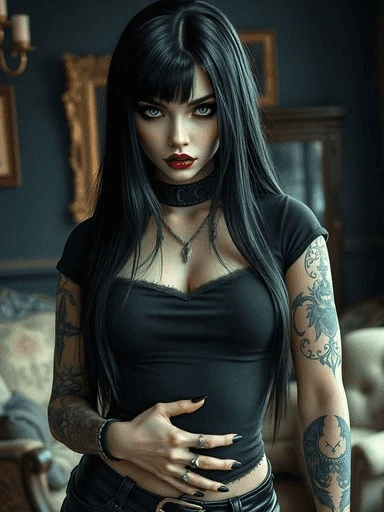
The exploration of alternative sexual identities and orientations has become an increasingly visible topic in modern society. Among these, the realm of "Dark Lesbian Desires" offers a unique and often misunderstood facet of lesbian culture and identity. This article aims to delve into this niche, uncovering its complexities, influences, and the broader implications it has on society's understanding of sexuality and desire. By examining the scene, its origins, and its impact, we hope to provide a comprehensive understanding of this aspect of the LGBTQ+ community, offering an insightful and informative read for those interested in learning more about the diverse spectrum of human sexuality.,dark lesbian desires,lesbian culture,LGBTQ+ community
The Evolution of Dark Lesbian Desire: A Historical and Cultural Perspective

To understand the concept of “Dark Lesbian Desires,” one must first acknowledge the broader evolution of lesbian culture and its representation within society. The term “lesbian” itself has undergone a significant transformation over the centuries, moving from a largely pejorative label to a proud identifier of sexual orientation and identity. The early 20th century saw the emergence of lesbian subcultures, particularly in urban centers, where women found spaces to express their sexuality freely, albeit often hidden from mainstream society.,lesbian subcultures,sexual orientation,LGBTQ+ history
The 1960s and 1970s marked a pivotal era for lesbian rights and visibility, with the rise of the feminist movement and the LGBTQ+ liberation struggles. This period witnessed the emergence of influential lesbian figures, such as poet and activist Audre Lorde, who championed the idea of embracing one's true self and the power of lesbian love. Lorde's work, along with other prominent lesbian writers and artists, played a pivotal role in challenging societal norms and stereotypes surrounding lesbianism.,lesbian rights,LGBTQ+ liberation,audre lorde,lesbian literature
However, even as lesbianism gained visibility, certain aspects remained shrouded in mystery or stigma. The idea of "Dark Lesbian Desires" often refers to more intense, perhaps taboo, expressions of lesbian sexuality, which might include BDSM (bondage, discipline, dominance, submission, and sadomasochism) practices, fetishes, or other forms of sexual exploration that challenge societal norms. These desires have historically been marginalized or hidden within the broader lesbian community, often due to fear of further discrimination or misunderstanding.,BDSM,sexual exploration,societal norms,marginalization
The Impact of Media and Popular Culture
Media representation plays a significant role in shaping societal perceptions of lesbianism and its various facets. While mainstream media often depicts lesbians through stereotypical lenses, focusing on their “coming out” stories or tragic narratives, there is a growing movement within independent and LGBTQ+ media to portray a more diverse and authentic range of lesbian experiences. This includes depictions of “Dark Lesbian Desires,” which are starting to find a place in literature, film, and even mainstream media.,media representation,LGBTQ+ media,lesbian stereotypes
For instance, the TV series "The L Word," which premiered in 2004, offered a groundbreaking portrayal of lesbian life, including complex characters who engaged in BDSM relationships and explored various forms of sexual desire. This show, and others like it, helped to normalize and humanize aspects of lesbian culture that were previously considered taboo. Similarly, independent films and literature have long served as platforms for exploring these desires, offering nuanced and honest depictions of the diverse spectrum of lesbian experiences.,media normalization,taboo topics,lesbian representation
| Media Example | Depiction of Dark Lesbian Desires |
|---|---|
| "The L Word" | BDSM relationships, complex sexual identities |
| "But I'm a Cheerleader" | Exploration of lesbian identity, including fetishes |
| "The Price of Salt" (Patricia Highsmith) | Intense romantic and sexual desire, set in a dark, wintry landscape |

However, it is important to note that media representation, while influential, can also perpetuate stereotypes or oversimplify complex identities. Thus, a nuanced understanding of these desires, free from the constraints of media portrayal, is crucial for fostering genuine acceptance and understanding.,media influence,stereotypes,acceptance
Understanding Dark Lesbian Desires: A Psychological Perspective

Psychologists and sexologists have long studied the complexities of human sexuality, including the myriad of desires that fall under the LGBTQ+ umbrella. When it comes to “Dark Lesbian Desires,” several factors come into play, including individual personality, cultural influences, and the unique dynamics of lesbian relationships.,human sexuality,LGBTQ+ psychology,relationship dynamics
From a psychological standpoint, the desire to explore intense or taboo sexual experiences can be understood as a form of sexual expression that challenges societal norms and expectations. This desire for non-normative sexual experiences can be driven by a variety of factors, including a need for sensory stimulation, a quest for emotional intensity, or a desire to explore the boundaries of one's identity.,sexual expression,societal norms,identity exploration
Additionally, the dynamics of lesbian relationships can contribute to the exploration of "dark" desires. Lesbian couples may feel a greater sense of freedom and trust within their relationships, allowing them to explore aspects of their sexuality that might be more taboo or less understood in heterosexual contexts. This could include BDSM practices, fetish exploration, or other forms of sexual expression that challenge traditional gender norms.,lesbian relationships,BDSM,gender norms
It is important to note that the exploration of these desires does not define an individual's entire sexual identity. Just as heterosexual individuals may engage in BDSM or other non-normative sexual practices without being labeled as "dark" or "taboo," lesbian individuals should not be reduced to their sexual preferences. Sexuality is a spectrum, and individuals' desires can evolve and change over time.,sexual identity,spectrum of desire,individual expression
The Role of Community and Support
For individuals exploring “Dark Lesbian Desires,” the support and understanding of a community can be crucial. Lesbian communities, both online and offline, often serve as safe spaces for individuals to express their desires, seek advice, and connect with others who share similar experiences. These communities can provide a sense of belonging and validation, helping individuals navigate the complexities of their sexual identity and desires.,safe spaces,community support,sexual identity exploration
However, it is also important to acknowledge the challenges that can arise within these communities. The LGBTQ+ community, while largely accepting, can sometimes struggle with internalized homophobia or prejudice, which can lead to the marginalization of certain desires or identities. This can create a cycle of stigma and discrimination that affects individuals' mental health and sense of self-worth.,LGBTQ+ community challenges,internalized homophobia,mental health
Professional support, such as therapy or counseling, can also play a vital role in helping individuals navigate their sexual desires and identities. Therapists who specialize in LGBTQ+ issues can provide a safe and non-judgmental space for individuals to explore their feelings, understand their desires, and develop healthy coping mechanisms.,professional support,LGBTQ+ therapy,coping mechanisms
In conclusion, "Dark Lesbian Desires" represent a complex and multifaceted aspect of lesbian culture and identity. Through a historical, cultural, and psychological lens, we can begin to understand the factors that contribute to these desires and the impact they have on individuals and society as a whole. By fostering an environment of acceptance, understanding, and support, we can ensure that all aspects of the LGBTQ+ community are celebrated and respected.,LGBTQ+ celebration,acceptance,understanding
What exactly are “Dark Lesbian Desires”?
+“Dark Lesbian Desires” refer to more intense or taboo expressions of lesbian sexuality, which might include BDSM practices, fetishes, or other forms of sexual exploration that challenge societal norms. These desires are often misunderstood or marginalized within mainstream society and even within the broader lesbian community.,dark lesbian desires,BDSM,fetishes,societal norms
How has media representation impacted the understanding of “Dark Lesbian Desires”?
+Media representation has played a significant role in shaping societal perceptions of lesbianism and its various facets, including “Dark Lesbian Desires.” While mainstream media often perpetuates stereotypes, independent and LGBTQ+ media have helped normalize and humanize these desires, offering a more authentic portrayal. However, media representation can also oversimplify complex identities, so a nuanced understanding is crucial.,media representation,LGBTQ+ media,stereotypes,nuanced understanding
What role does community support play in exploring “Dark Lesbian Desires”?
+Community support, both online and offline, is crucial for individuals exploring “Dark Lesbian Desires.” Lesbian communities provide safe spaces for individuals to express their desires, seek advice, and connect with others who share similar experiences. However, it’s important to acknowledge that the LGBTQ+ community can sometimes struggle with internalized homophobia, which can lead to the marginalization of certain desires or identities.,community support,safe spaces,LGBTQ+ community challenges,internalized homophobia
How can we ensure acceptance and understanding of “Dark Lesbian Desires” within society?
+Fostering an environment of acceptance, understanding, and support is key to ensuring that all aspects of the LGBTQ+ community, including “Dark Lesbian Desires,” are celebrated and respected. This involves challenging societal norms, promoting education about diverse sexual identities, and creating safe spaces for individuals to express their desires without fear of judgment or discrimination.,acceptance,understanding,challenging norms,safe spaces